For DJs, working a Friday-Saturday night shift isn’t just about staying up late—it deeply disrupts your internal clock, your circadian rhythm, and ultimately your health and performance. The archetype of the "weekend warrior" DJ—those grinding out late nights on prime party nights then switching to daytime or early-week gigs—faces unique challenges that many outside the music world don’t understand. Unlike a regular 9-to-5, the DJ lifestyle flips sleep schedules, crosses time zones, and demands a flexible setup packed into a trusty flight case. In this post, we'll dig into the weekend warrior sleep problem, how shift work research relates, and what DJs can do with their routines and gear to navigate the fatigue.
The Rhythm of the Night: Circadian Rhythms and Light Cues
Circadian rhythms, which are your body's roughly 24-hour internal clocks, regulate crucial functions like sleep, alertness, hormone release, and body temperature. These rhythms are primarily synchronized by exposure to natural light and darkness—known as light cues.
When you work gigs on Friday and Saturday nights, your sleep schedule shifts drastically. Instead of sleeping during the dark hours, you may sleep in the morning or early afternoon after your set. Daylight exposure then clashes with your need for rest, confusing your brain and throwing off your circadian rhythm.
- Morning sunlight tells your brain to be awake and alert. Evening darkness signals it's time to produce melatonin, the hormone that makes you sleepy.
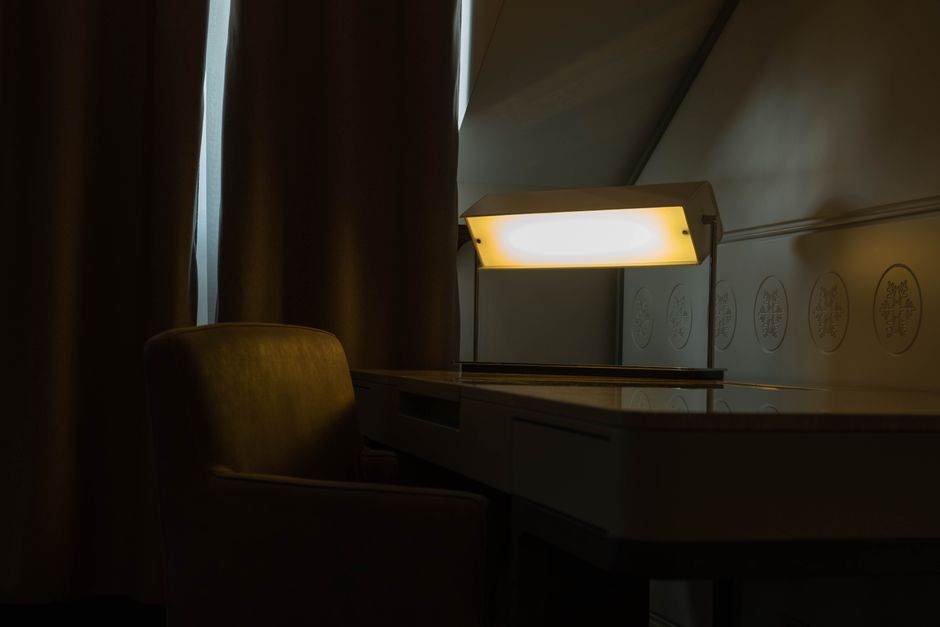
For weekend warrior DJs, this natural signaling gets scrambled. Post-gig, when you're trying to catch some sleep, sunlight streaming through insufficient blackout curtains (a notorious hotel room complaint!) can make falling asleep much harder.. Anyway,
Flight Cases and Gear Setup: The Unsung Contributors to Sleep Disruption
While the sleepless nights get the spotlight, the very tools DJs use can contribute to fatigue. Consider the flight case—the rugged, custom-built box carrying your gear like mixers, USB sticks, cables, and headphones. Many performers treat their flight cases like treasure chests packed with essentials, but lugging heavy gear around increases physical strain and delays your ability to unwind after gigs.
On top of that, working with USB sticks loaded with hundreds of tracks means meticulous prep and mental energy spent pre- and post-performance. The often-tricky workflow—finding the right tune at 3 AM, managing crate splits digitally—adds cognitive load that interferes with calming the mind for quality rest.
Shift Work Research Meets the DJ Lifestyle
Scientific studies side-line on shift work, especially in healthcare, transportation, and emergency services, provide valuable insights for DJs. Shift work is linked to:
- Disrupted circadian rhythms Impaired cognitive performance and memory Increased fatigue and risk of accidents Higher susceptibility to mood disorders and metabolic issues
DJs working late-night weekend sets resemble rotating shift workers due to flipped sleep cycles from Fridays through Sundays. Research shows the more frequent and erratic the sleep schedule changes, the harder it is for the body to adjust.
Flipping Your Sleep Schedule: The Double-Edged Sword
Let me tell you about a situation I encountered thought they could save money but ended up paying more.. After Friday and Saturday night gigs, DJs often flip their sleep schedule from being awake at night to trying to function well during the daytime on Monday or Tuesday. This leads to the infamous situation of a Tuesday meeting tired, where exhaustion from the weekend catch-up sleep or poor-quality daytime sleep impairs focus.
You know what's funny? consistent late nights followed by course corrections create a "social jet lag" syndrome—your body literally experiences internal time zone shifts without movement.
Day Typical DJ Activity Sleep Window Impact on Circadian System Friday DJ gig late night 7 AM - 12 PM (next day) Delays melatonin production, shifts rhythm forward Saturday DJ gig late night 7 AM - 1 PM Reinforces delayed phase, accumulates fatigue Sunday Rest or afternoon engagement Normal or irregular hours Attempt to recover; rhythm misalignment persists Monday Daytime work or meetings Normal night sleep Conflict with delayed weekend rhythm; tirednessTime Zones and Routing Tradeoffs for Touring DJs
When touring internationally, DJs layer a new challenge: crossing time zones. This drastically complicates the weekend warrior sleep problem. Rapidly moving through time zones can cause jet lag, further desynchronizing your circadian clock.
DJs choose between different routing strategies to minimize fatigue:
Direct flights with minimal layovers reduce transit time but may mean arriving too close to a gig, limiting rest. Stopovers and overnight layovers can allow for some rest but extend total travel time and cause irregular sleep patterns in unknown hotel rooms. Scheduling buffer days before or after gigs allow acclimatization but reduce the number of bookings per week.Balancing these tradeoffs requires prioritizing rest while maintaining financial viability. Some DJs meticulously pack gear to limit weight and setup time—only the essential USB sticks, reliable headphones, and minimal cabling in their flight cases—so they can rest and prep efficiently during transit.
Lessons from Shift Work: Practical Tips to Mitigate Weekend Warrior Fatigue
- Pre-shift naps: Taking strategic naps before playing late-night sets can boost alertness and reduce the dip in performance. Maximize blackout curtains and eye masks: Controlling light exposure post-gigs improves sleep quality during daylight hours. Stabilize sleep-wake times: Avoid drastic sleep timing changes outside of gig nights to help maintain a stable circadian rhythm. Light exposure management: Use bright light early in the day on non-gig days to phase advance your rhythm (resetting your internal clock earlier). Hydration and nutrition: Combat fatigue with balanced meals and hydration, avoiding excess caffeine that disrupts later sleep attempts. Pack smart: Organize your gear in the flight case to streamline setup and teardown, reducing stress and preserving downtime.
Conclusion
The weekend warrior sleep problem is a genuine occupational hazard for DJs who flip their sleep schedules on Friday and Saturday nights, tour across time zones, and rely on their flight cases packed with USB sticks and essential gear. Understanding the circadian underpinnings and applying shift work science can help DJs mitigate fatigue, improve performance, and stay healthier on the road. It takes more than just "pushing through the grind"—careful scheduling, smart light management, and strategic rest are key to escaping the tug of chronic tiredness and making the most of every gig.

So next time you’re battling sunshine trying to sneak in sleep after an all-nighter, or dragging through a Tuesday meeting tired, remember it’s not just about willpower. Your body's clock is telling a story—one that’s worth listening to if you want your career and wellbeing to thrive.