When it comes to prescribed cannabis in the UK, many patients and even healthcare providers can get confused about how the medicine is meant to be used, and why certain methods of delivery are preferable. One point that often requires clear explanation is the importance of consistent extraction—getting a repeatable, controlled amount of medicine from each dose. In this article, we’ll break down why consistent extraction is critical for patients prescribed cannabis-based treatments, focusing on the key themes of vaporisation versus smoking, the impact of device design, and how regulatory standards support safe and effective use.
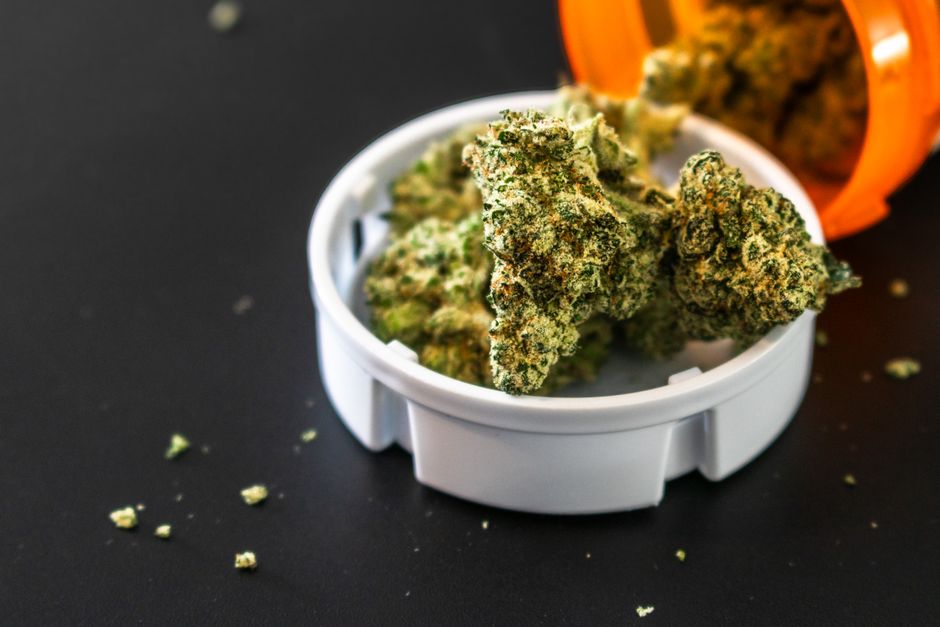
UK Prescribed Cannabis Is Vaporised, Not Smoked
A common misconception is that prescribed cannabis is “smokable,” similar to cannabis used recreationally. This is not the case in the UK NHS or private prescription frameworks.
Prescribed cannabis is delivered through vaporisation, meaning the plant material or oil is heated to release active compounds as a vapor without burning. To clarify:
- Smoking involves combustion—actual burning of plant material—producing smoke. Vaporising heats the cannabis to a point that active ingredients evaporate, producing vapor but without burning.
Why does this distinction matter? Combustion releases harmful by-products such as tar, carbon monoxide, and other carcinogens. Vaporisation minimizes these by-products, making it far safer, especially for patients needing several doses daily.
Combustion By-Products vs. Vaporisation
Aspect Combustion (Smoking) Vaporisation Temperature 600-900°C (flame burns the plant) 160-220°C (controlled heating) By-Products Smoke, tar, carbon monoxide, carcinogens Mostly active cannabinoids & terpenes; minimal toxins Health Impact Respiratory irritation, lung damage risks Lower respiratory risk, safer over multiple uses Dosing Control Highly unpredictable (variable combustion rate) More consistent with temperature control devicesConsistent extraction through vaporisation means active compounds like THC and CBD are released predictably without exposing patients to harmful chemicals. For patients using cannabis-based medicines several times daily, this reduces health risks and ensures that the intended dose is delivered every time.
The Device as Part of Treatment
In prescribed cannabis treatment, the vaporiser device is not just a tool – it’s part of the medication system. Since dosing depends heavily on how cannabis is heated and inhaled, the device’s design, temperature control, and reliability are critical.
Why Temperature Control Matters
Cannabinoids and terpenes vaporise at specific temperature ranges; set it too low, and you get insufficient active ingredient release, reducing effectiveness. Set it too high, and you risk combustion or losing delicate terpenes that modulate effects.
Devices with precise temperature control ensure repeatable dosing. They allow patients or caregivers to standardize each dose, which is crucial for managing complex conditions and avoiding side effects from dosing variability.
Repeatable Dosing and Several Times Daily Use
Patients on medicinal cannabis often require multiple doses throughout the day to maintain symptom control. This makes repeatable dosing non-negotiable. Inconsistent dosing can result in:
Symptom breakthrough or poor symptom relief Unwanted side effects from overdosing Increased anxiety over treatment effectivenessReliable devices with temperature control and consistent vaporisation patterns allow patients to confidently dose several times daily. This aligns with typical prescribing designs, where steady symptom management rather than a single large dose is the goal.
Pharmacy and GPhC Regulation Ensure Treatment Safety and Quality
thelondoneconomicPharmacies dispensing prescribed cannabis and the devices used are subject to regulation, which safeguards patients’ safety and treatment consistency.

- Pharmacy Regulation: Pharmacies must handle cannabis-based medicines carefully, following strict protocols from MHRA (Medicines and Healthcare products Regulatory Agency) and ensuring correct storage, labelling, and counselling on device use. GPhC Oversight: The General Pharmaceutical Council regulates pharmacists and pharmacy technicians, requiring them to provide accurate advice on medicine use, including device operation and dosing methods.
This means patients receive professional support to understand how to operate vaporisers correctly, why consistent extraction matters, and how to manage dosing schedules. It also means that devices provided meet safety standards, are appropriate for the prescribed product, and contribute to treatment efficacy.
What This Means for Patients
Consistent extraction through vaporisation, supported by regulated devices and professional pharmacy care, means patients get:
- Predictable treatment effects aligned with prescribed dose Reduced respiratory risk versus smoking Confidence in administering multiple doses daily without guesswork Improved symptom control with fewer side effects
Summary: Consistent Extraction Makes Medicine Work as Prescribed
In simple terms: Prescribed cannabis in the UK is vaporised, never smoked, and the device used is a key part of the treatment system. Temperature control and repeatable dosing are essential because most patients need to dose several times daily. Pharmacy professionals regulated by the GPhC ensure patients understand how to get consistent extraction, which in turn leads to safe and effective symptom management.
For patients and prescribers alike, appreciating the role of vaporisation and device regulation can turn “it depends” into clear, actionable steps. Consistent extraction is not just a technical detail—it’s the foundation for reliable medicinal cannabis therapy.
```